
3-minute read
Last year I was chatting with a woman I had met at an event the year before. I recalled how we had joked about our ‘ideal other selves’ and all the healthy things those selves would be doing. Like getting up at sunrise to do yoga.
She had totally forgotten about the conversation. I hadn’t. I had thought about it periodically over the year. Usually with some regret. Wishing I was more like that other self. Not doing anything about it. Just thinking about it and knowing that it would likely never happen.
I’m not an early riser. I like my couch-centered morning routine, slowly easing into my day. Still, that other self kept niggling at me.
I kept reading and seeing the message of how important it is to move your body first thing in the morning. And every week at my noon hour yoga class my stiff, aging body told me I needed to move more, do more yoga.
So I tried to figure out what type of movement I could sustainably do in the mornings. Over the years I’ve tried walking as soon as I get up. I’ve tried working out in the mornings. Nothing stuck for long.
My mind kept coming back to sun salutation. It is literally a morning yoga practice to welcome the sun. But it is also my least favourite yoga practice and I didn’t want to do it.
Then one morning out of frustration for not finding anything that I thought would work, I decided to try my own version of a short sun salutation. Surprisingly, I liked it. It felt good. It felt right. And I’ve kept doing it.
So why have I been able to maintain doing a short yoga practice in the morning when just a few months ago that felt impossible?
Psychologist Dr. Rick Hanson1 explains, “the way to shape who you are becoming has to do with what your attention rests upon.”1 This is what he calls ‘taking in the good” and it increases “the storage of the experience you are having at the time.”
My short morning yoga practice feels good, so I pay attention to that feeling and repeat the practice the next day. My attention is now resting on how good it feels to move in the morning. I’m taking in the good and reinforcing it. I’m no longer reinforcing the negative stories I had been telling myself about how I’m not a morning person or that I don’t like sun salutation.
According to Hanson, our brains are designed to be changed by our experiences. It’s called positive neuroplasticity. “Much mental and therefore neural activity flows through the brain like ripples on a river, with no lasting effects on its channel. But intense, prolonged, or repeated mental/neural activity—especially if it is conscious—will leave an enduring imprint in neural structure, like a surging current reshaping a riverbed.”1
In a recent online talk, Hanson shared three of the ways that you can actually increase positive change in your brain and “reliably influence who you are becoming” and “actually increase positive change” in your brain:
- Have – When you have a useful experience, stay with it for a breath or longer. Keep the neurons firing together so they can wire together and create a new neural pathway.
- Enrich – Really feel it in your body. Enrich the pleasant sensation by feeling how good it feels and keeping your attention on that feeling for 10 or more seconds.
- Absorb – Focus on what’s rewarding about it. What’s meaningful or enjoyable or both. Because that will increase the storage of the experience you are having at the time. Absorb that pleasurable sensation and feel it sinking into you.
I think that’s why morning yoga is sticking for me so far. I adapted morning movement to make it pleasant for me. I don’t get up any earlier to do it. It’s only about 10 minutes, so it easily fits into my day. I don’t have to leave the house and I’m in control of how challenging it is each day.
I’m not forcing myself to do something that I don’t want to do because it is good for me. I’m repeating a pleasant activity and hopefully creating a new pathway in my brain. I’m taking in the good and giving myself the opportunity to become a different version of me.
Only time will tell if this new morning practice will stick long-term. One thing I hope sticks forever is continually questioning the stories I am telling myself to make sure they are not limiting who I could become.
1 – Rick Hanson, PhD – Online Nervous System Reboot Summit and How to Grow the Good in Your Brain
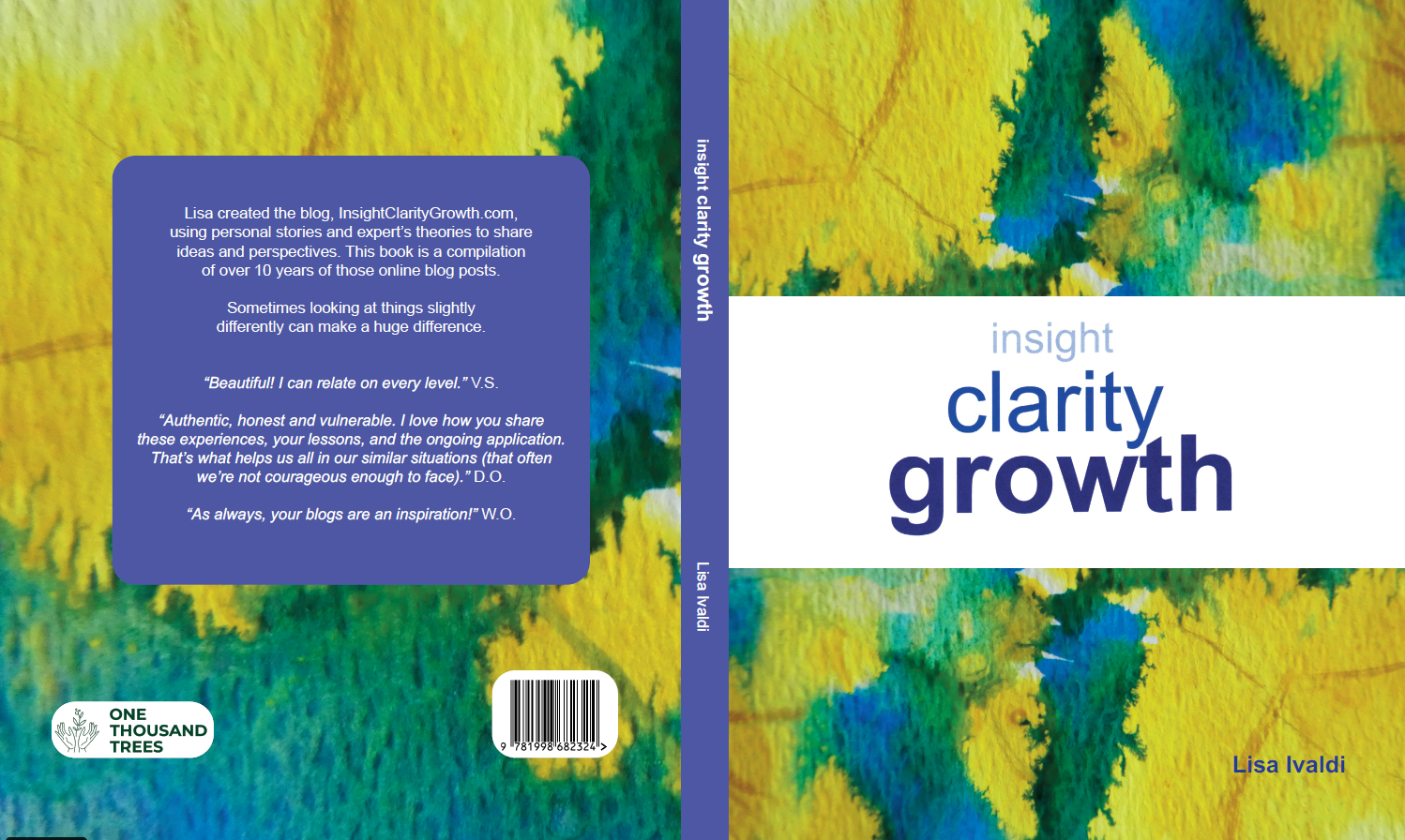







 Insight - Clarity - Growth